project. pilara house
location. bs as, argentina
type. single family residential
location. bs as, argentina
type. single family residential
architectural and interior design by BE Studio
year. 2025
year. 2025
memory.
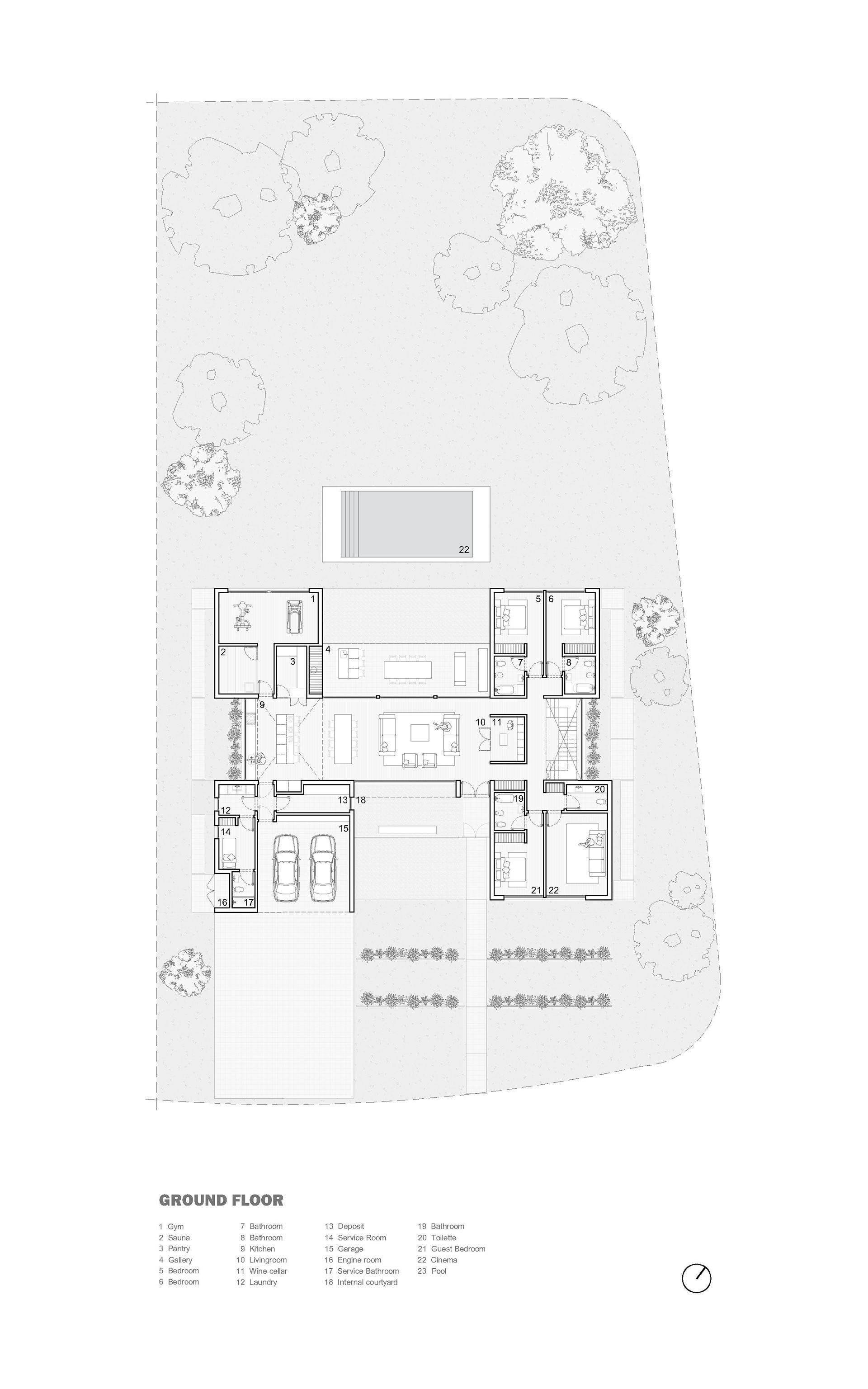
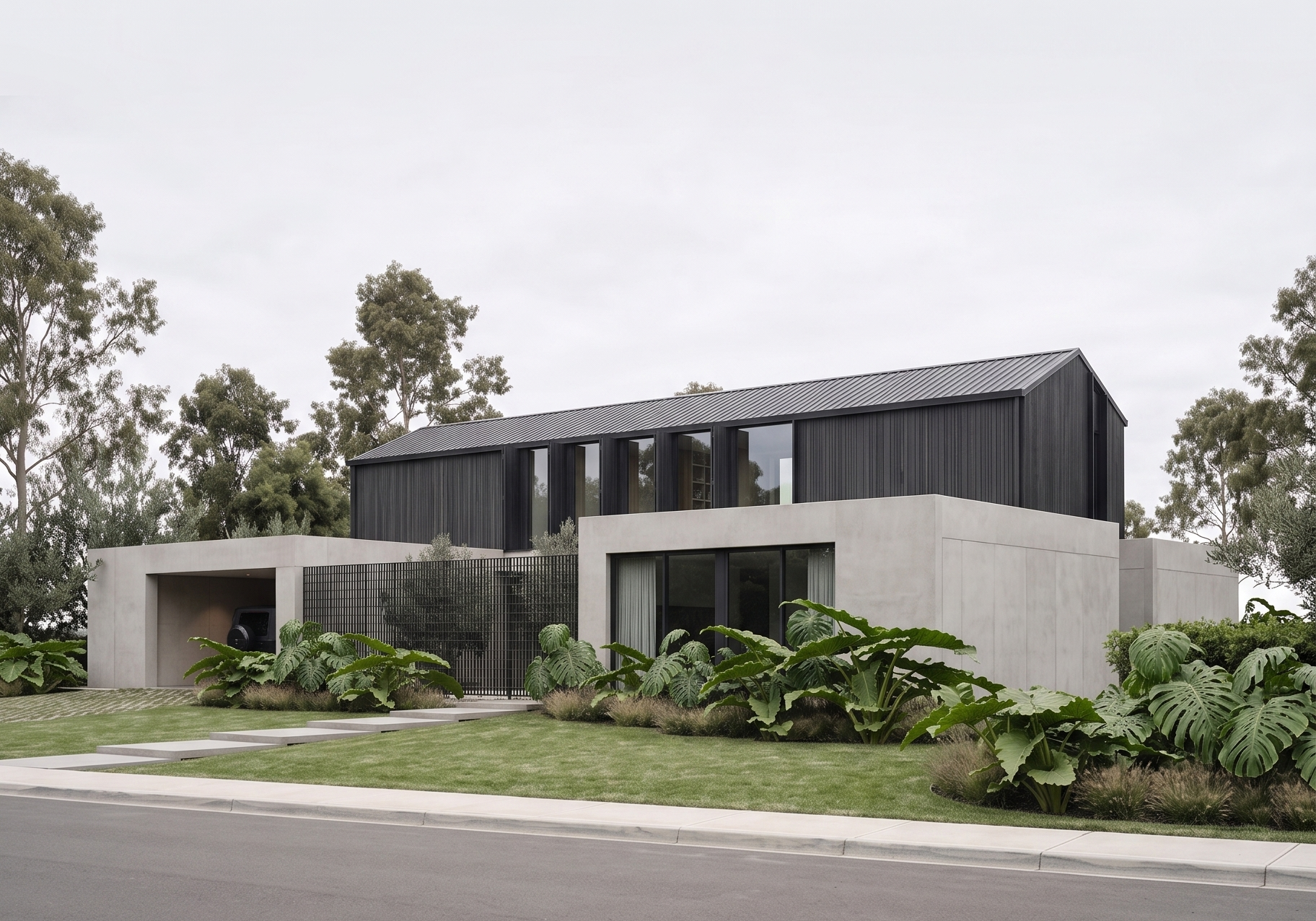
Pilará House is a 450 m² private residence located within a private residential community in Buenos Aires. The house is set on one of the neighborhood’s most privileged lots, opening onto the golf course landscape.
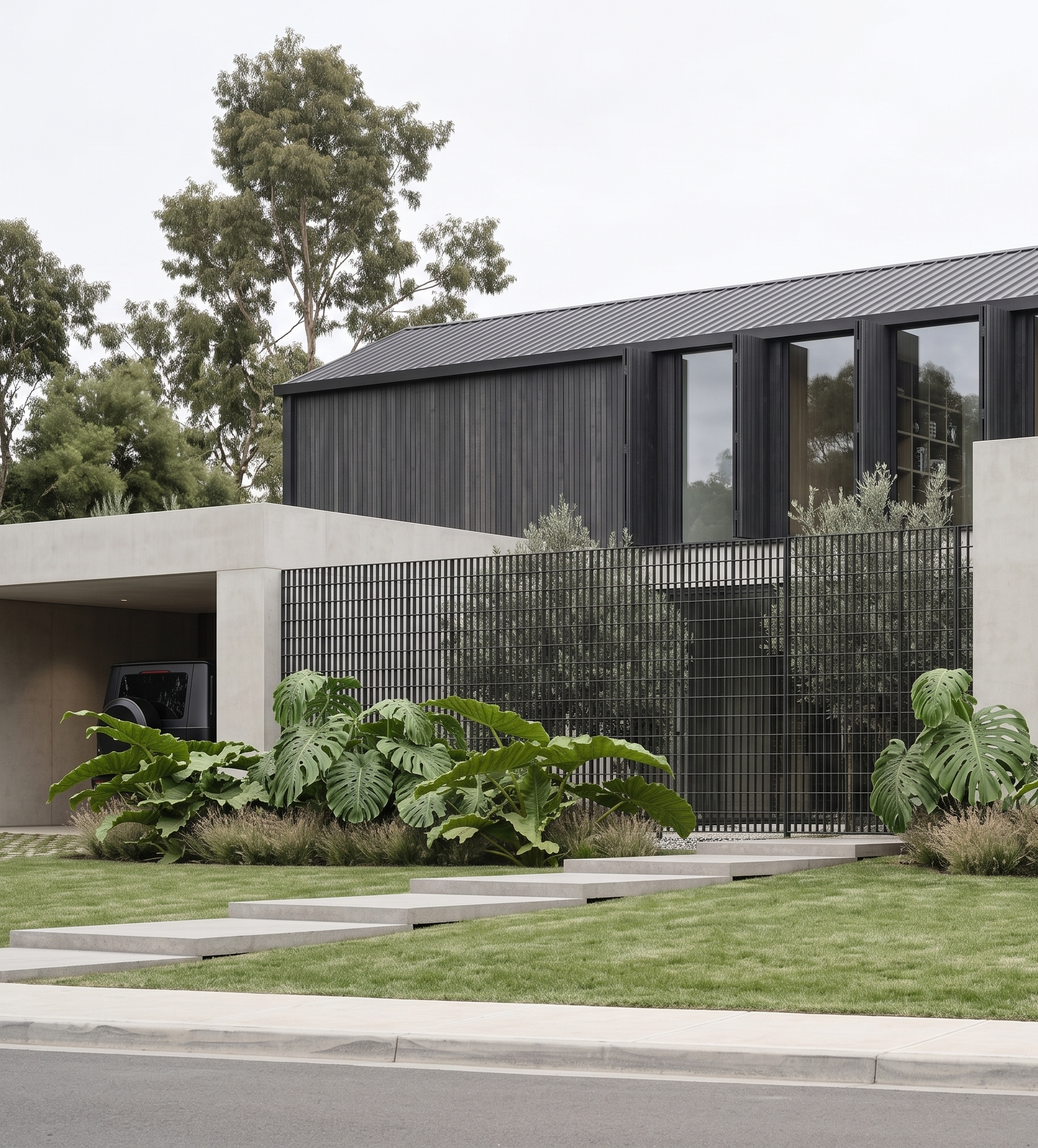
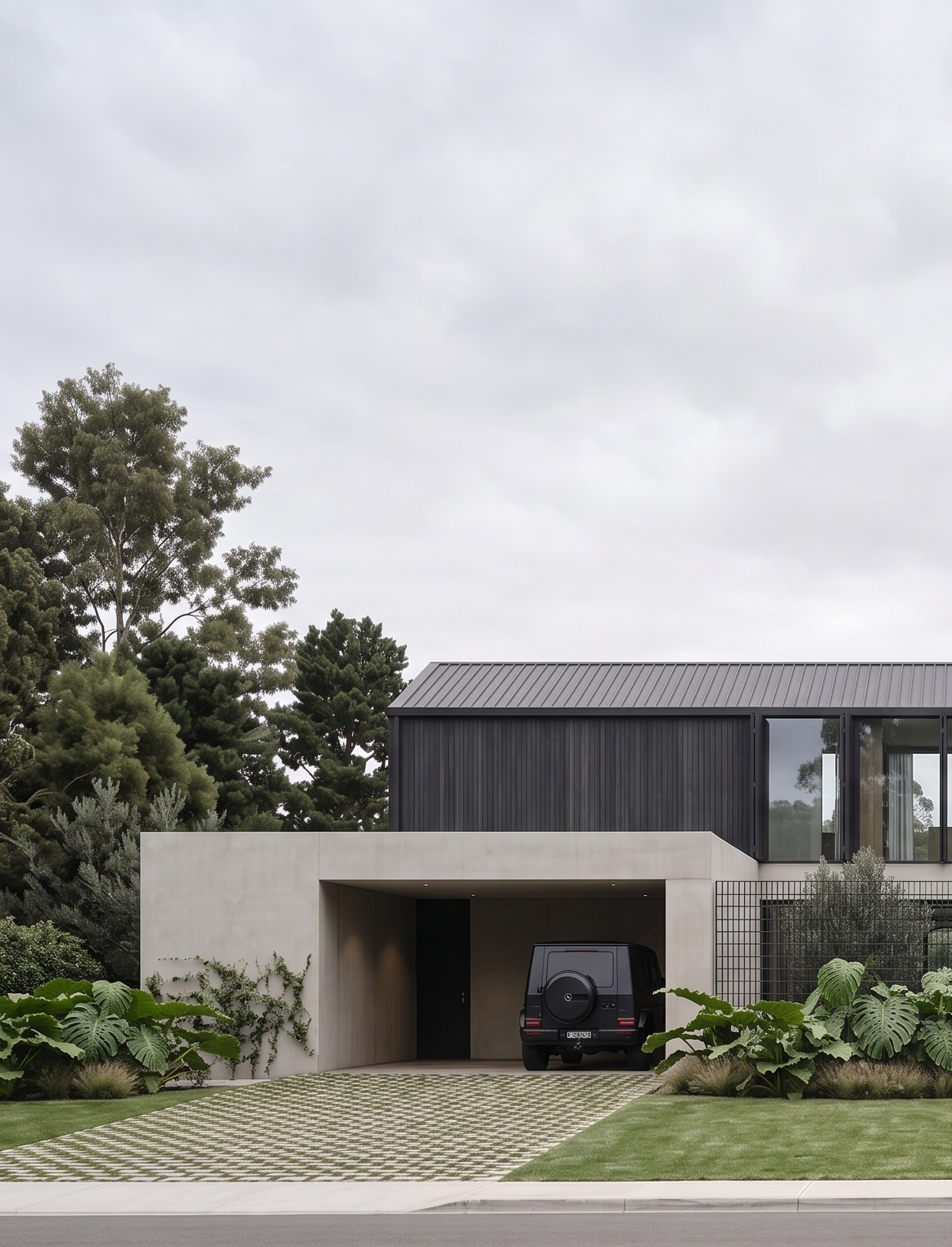
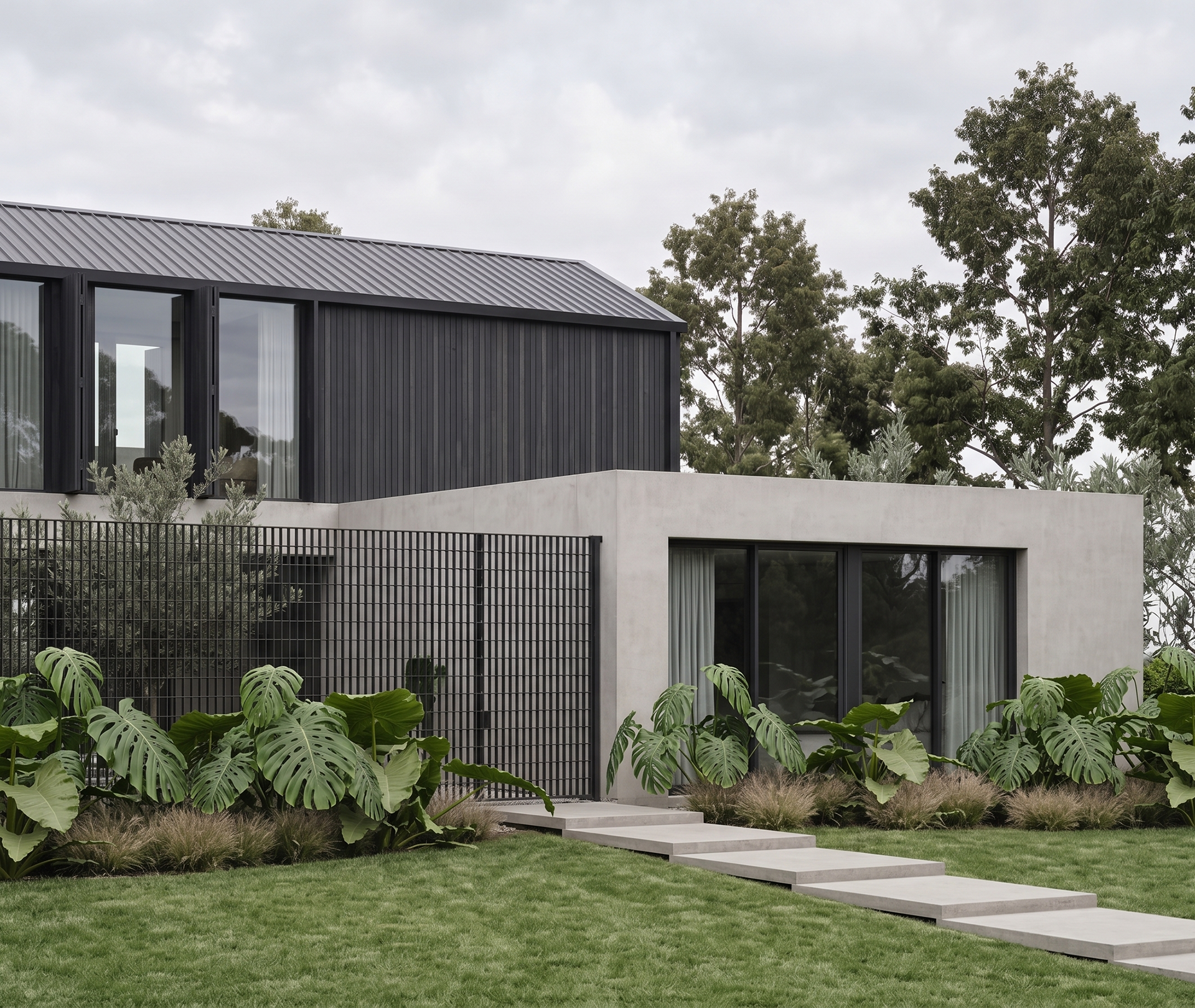
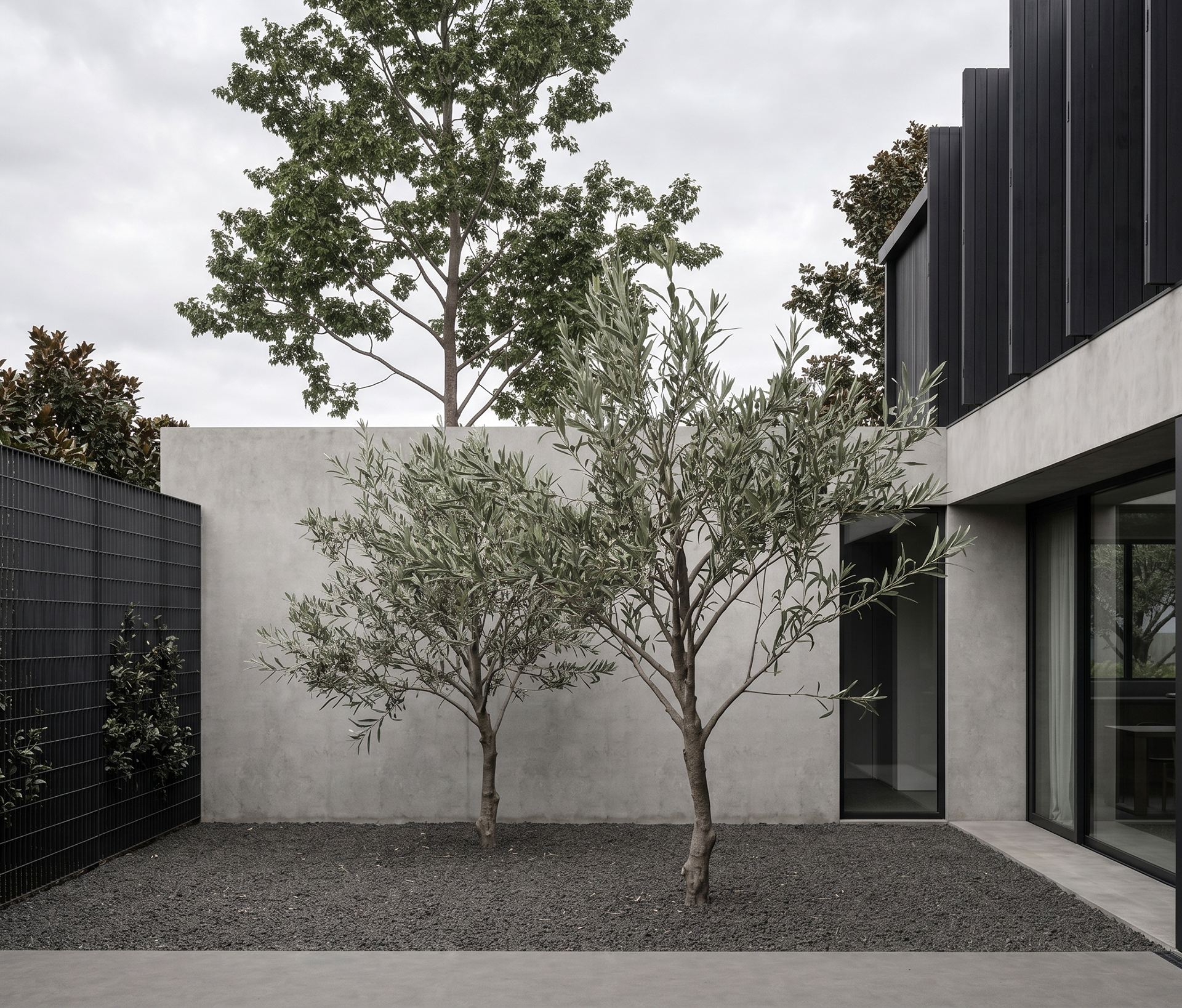
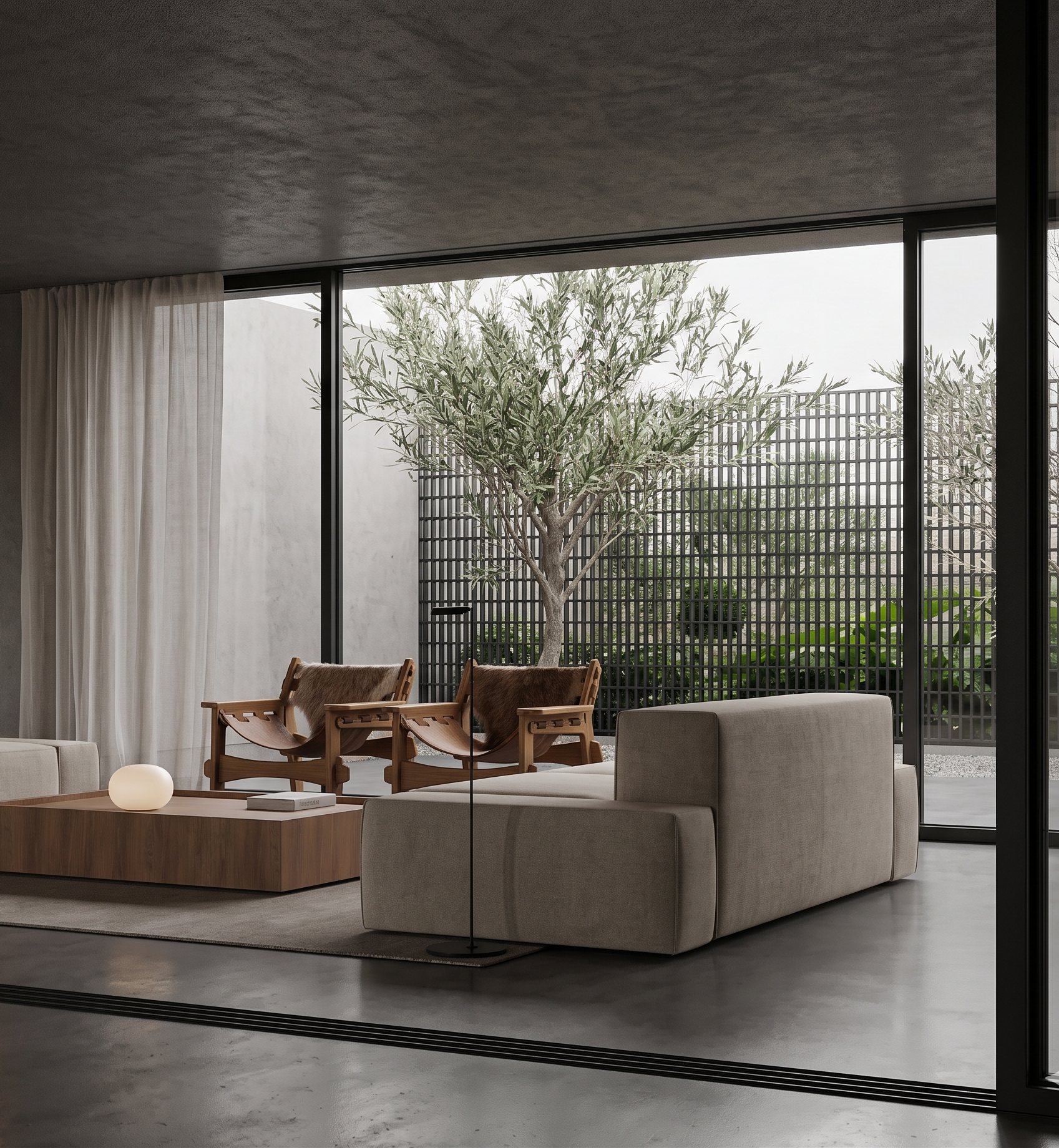
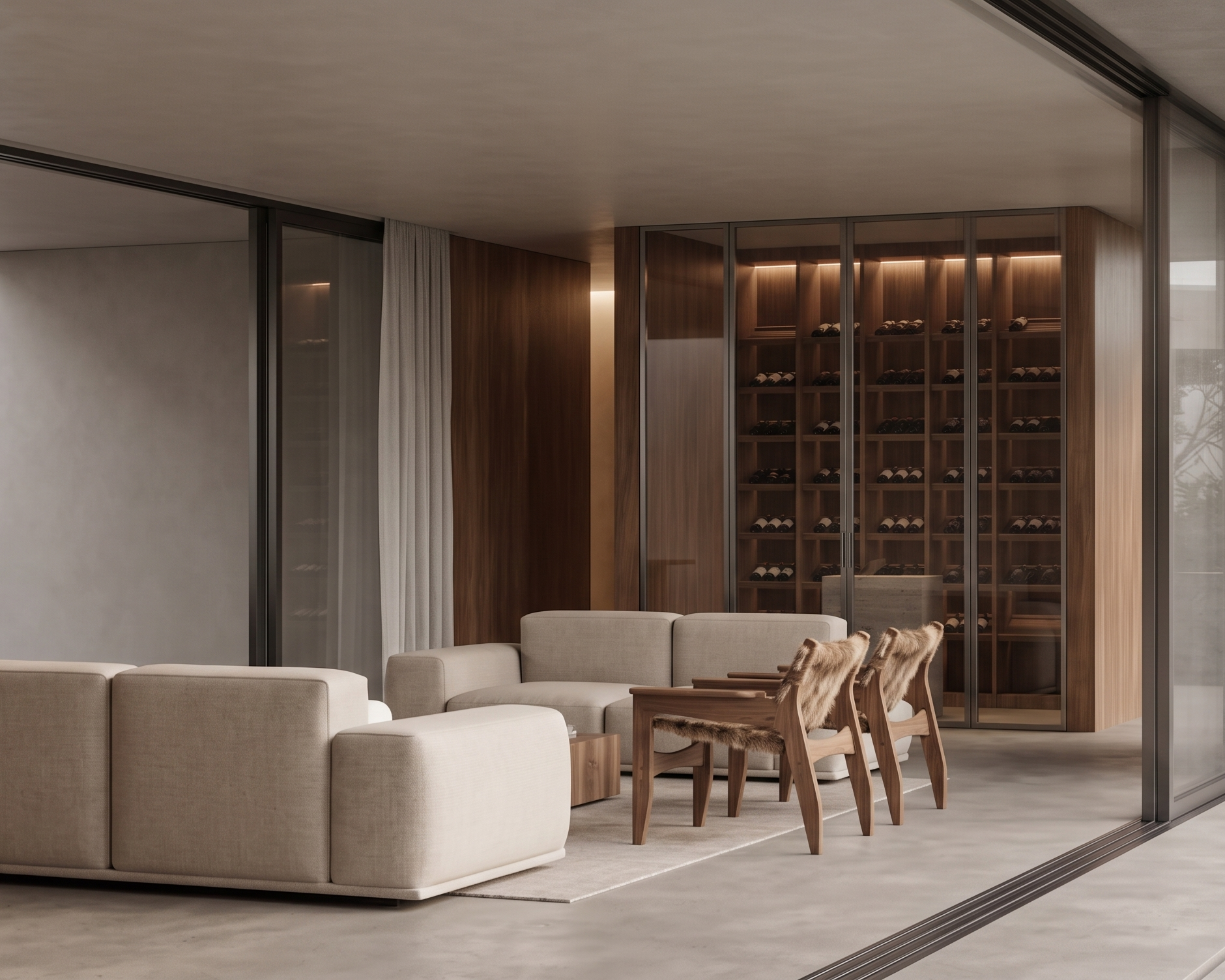
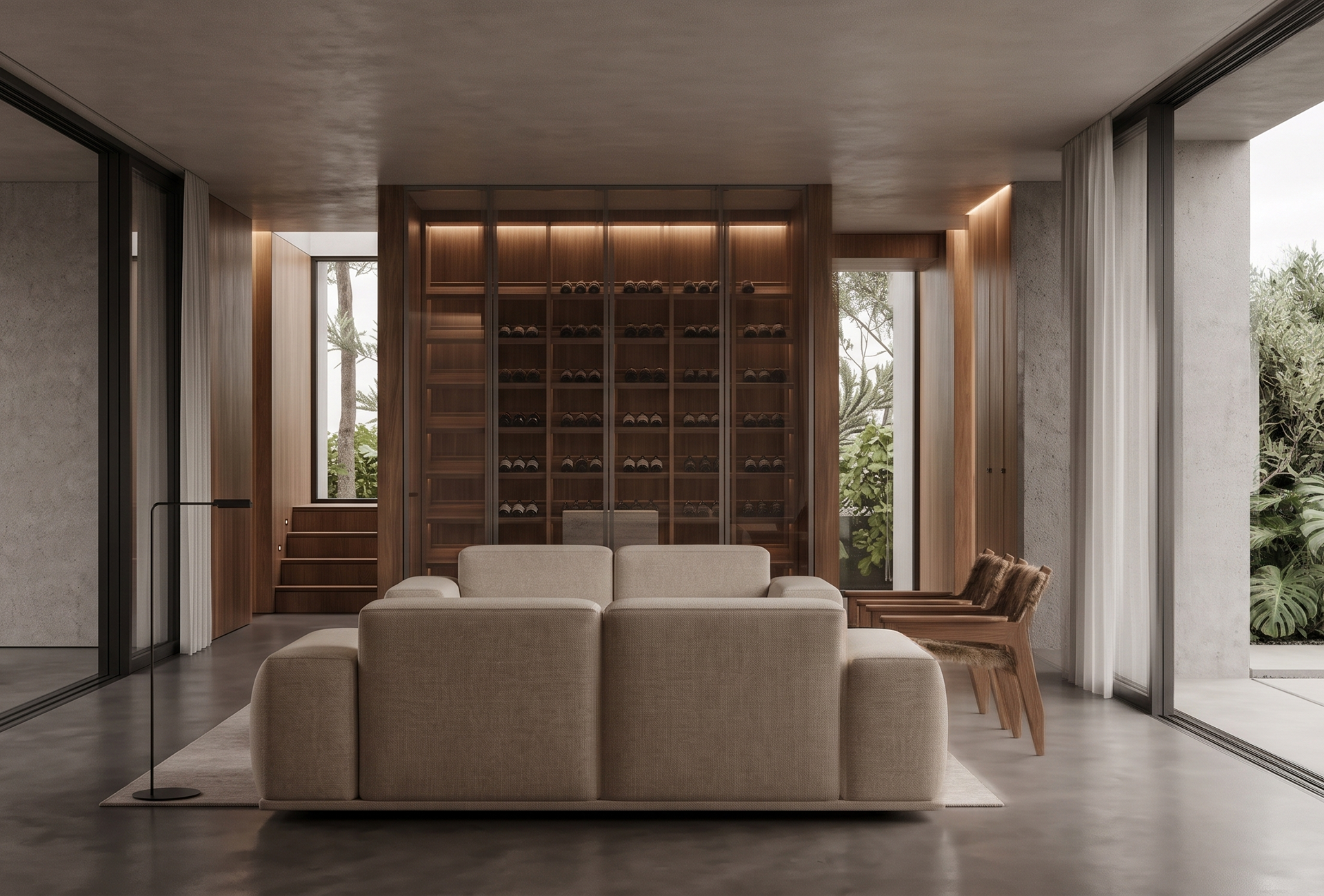
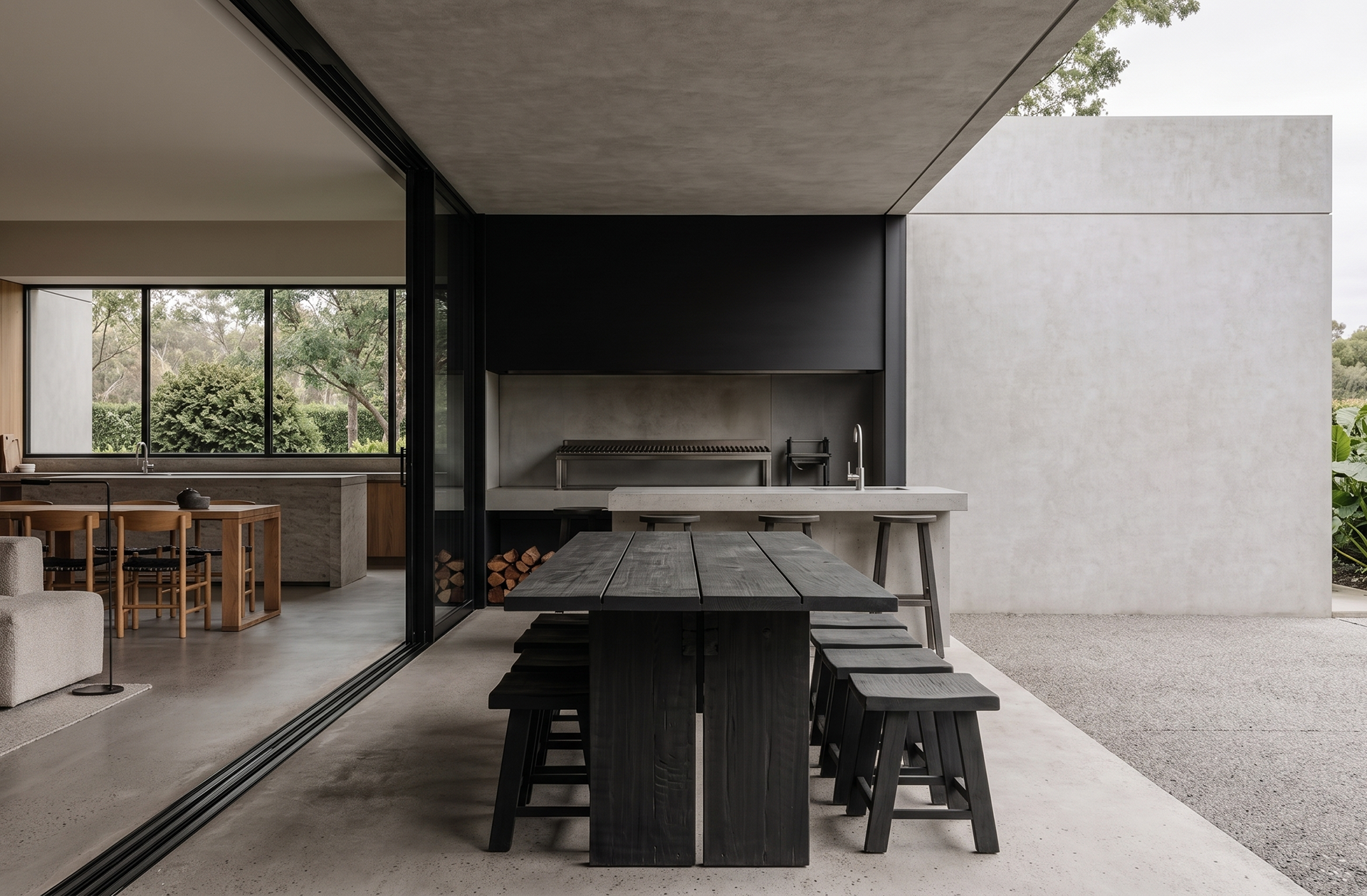
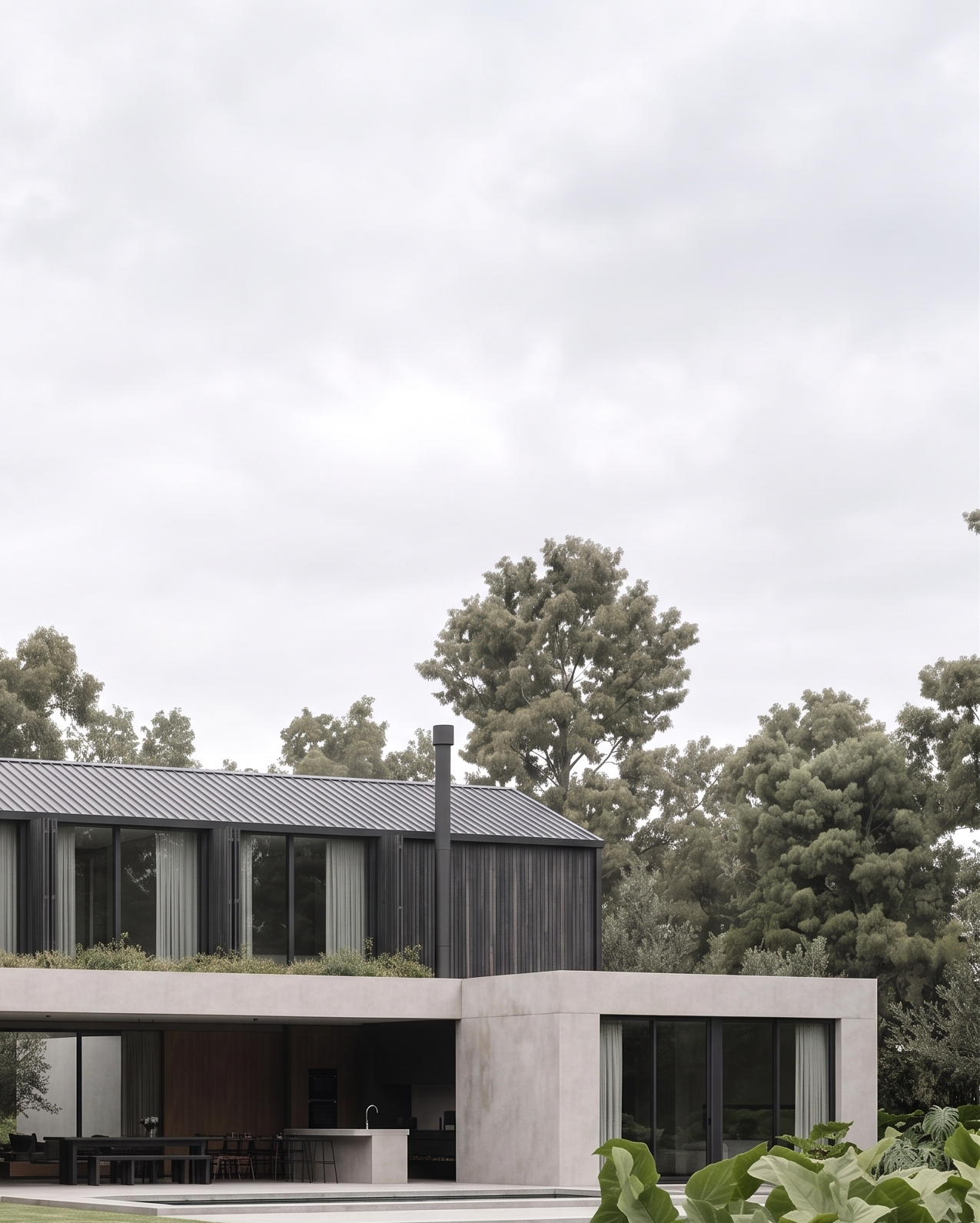
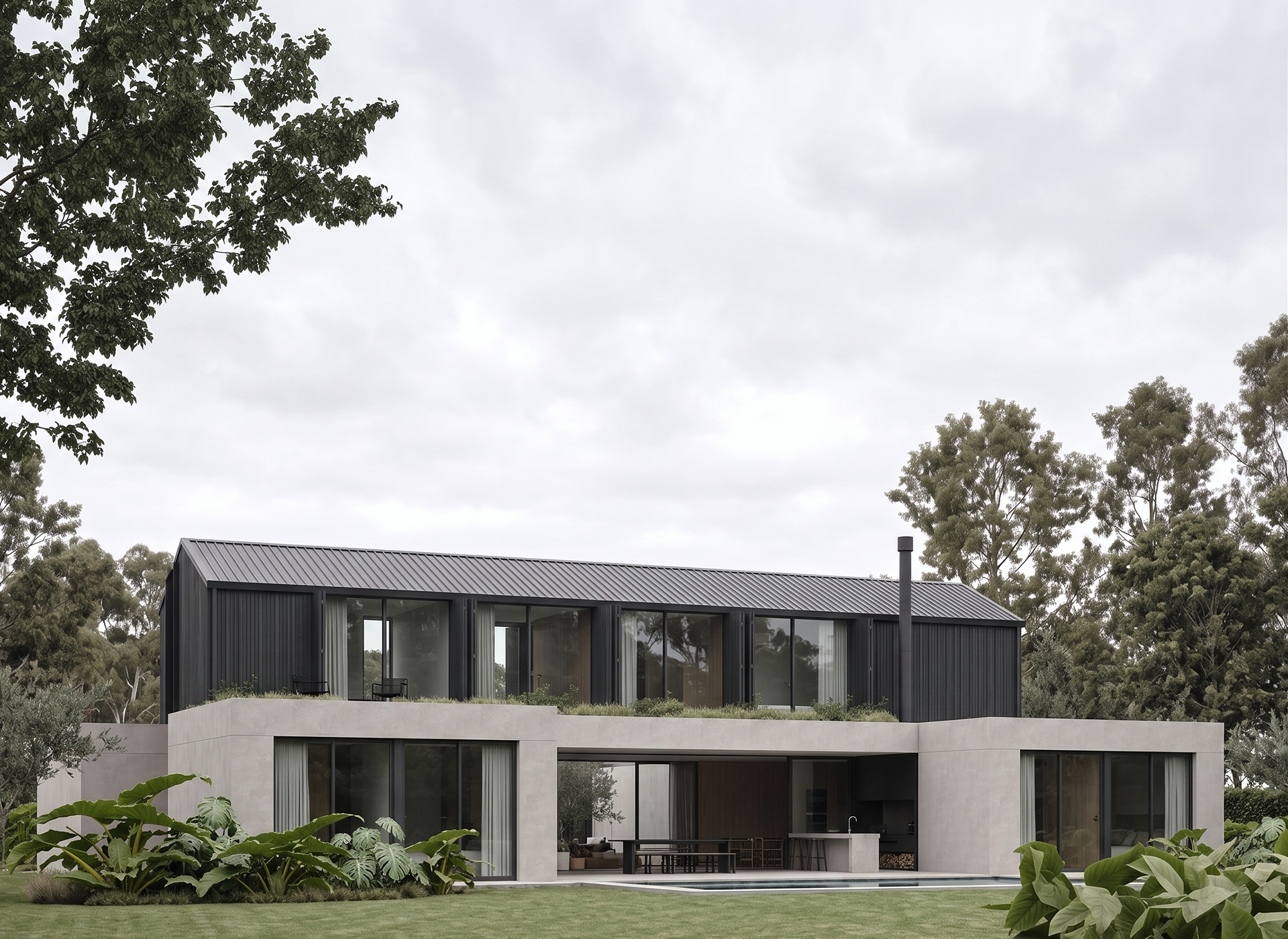
The project is structured through the contrast between exposed concrete and warm timber, establishing a dialogue between weight and lightness, permanence and warmth.
The project is structured through the contrast between exposed concrete and warm timber, establishing a dialogue between weight and lightness, permanence and warmth.
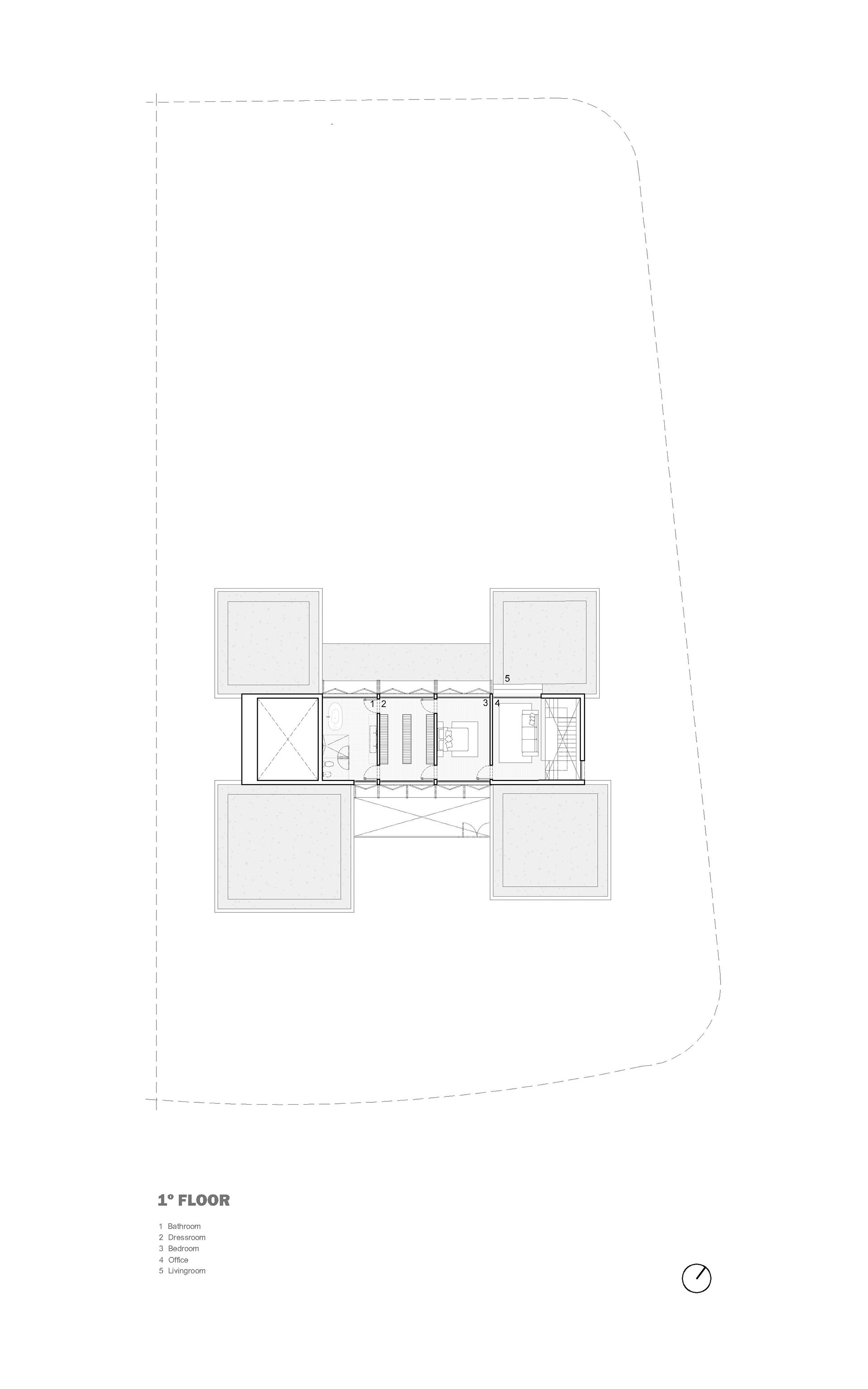
The ground floor is conceived as a concrete base that anchors the house to the site, while the upper level is developed entirely in wood, creating a lighter and more intimate domestic scale. Large openings dissolve the boundary between interior and exterior, allowing vegetation, light and golf views to become part of the spatial experience.
Green roofs extend the architecture into the landscape, blurring the line between built form and natural context.
Brise-soleil and timber screens filter sunlight, creating shifting shadows that add depth, rhythm and thermal control.
Brise-soleil and timber screens filter sunlight, creating shifting shadows that add depth, rhythm and thermal control.
Material honesty and environmental responsiveness shape a house where architecture is not placed on the landscape, but grows from it.
sustainability.
Sustainability in Pilará House is addressed through a set of integrated architectural strategies that respond to climate, site conditions and long-term performance.
The project incorporates rainwater harvesting systems for landscape irrigation, reducing potable water consumption. Thermal insulation and cross ventilation were carefully designed to improve interior comfort and minimize the need for mechanical conditioning throughout the year.
Green roofs with native, low-maintenance species help regulate temperature, reduce heat gain and integrate the architecture into its natural context. The use of native vegetation minimizes irrigation requirements and supports a resilient, low-impact landscape strategy.
Material selection prioritizes natural, durable materials with honest expression, while fixtures and systems were chosen to reduce energy and water consumption. Together, these decisions shape a house where environmental performance, comfort and architectural quality are considered as part of a single, coherent approach
Brise-soleil and timber screens filter sunlight, creating shifting shadows that add depth, rhythm and thermal control.
Brise-soleil and timber screens filter sunlight, creating shifting shadows that add depth, rhythm and thermal control.